

Speakers and moderators

Onome Ako
President and CEO, Action Against Hunger Canada
Onome Ako is the Chief Executive Officer of Action Against Hunger Canada, leading efforts to combat hunger and its root causes in over 50 countries. With more than 20 years of experience, she has worked with organizations including Amref Health Africa and World Vision Canada, advancing community-driven solutions grounded in equity and justice.S
he holds degrees from Obafemi Awolowo University, Ahmadu Bello University, and the London School of Economics, along with an ICD.D designation from Rotman. Onome serves as Chair of Canadian Partnership for Women and Children’s Health and is a member of the International Women’s Forum.
She is the author of I Am Cherished / Mon nom est Kikelomo, a celebrated children’s book that affirms identity and belonging and is used in classrooms and university courses across Canada. She is also a contributor to Embracing Ambition.Born in Nigeria and based in Canada, she is committed to building a more equitable world.

Karina Benessaiah
Biography coming soon.

Marta Berbés-Blázquez
Assistant Professor at the Faculty of Environment at the University of Waterloo (Canada)
Dr. Marta Berbés-Blázquez is an Assistant Professor at the Faculty of Environment at the University of Waterloo (Canada).
She is a transdisciplinary scholar whose research advances understanding and action at the intersection of social-ecological-technological resilience, urban futures, and environmental justice. She has published extensively in these areas and is an active member of international research networks, including the Society for Social-Ecological Systems (SocSES) and the Long-Term Ecological Research (LTER) Network. She serves as Co-Editor-in-Chief of Ecosystems and People and is on the editorial boards of Ecology & Society and PLOS Sustainability and Transformation.
Dr. Berbés-Blázquez collaborates with municipalities and community organizations across the Americas to co-create pathways toward equitable urban transformation, with a particular focus on marginalized communities.
Her current research explores the potential of nature-based solutions for climate adaptation in informal settlements and the use of participatory foresight to strengthen communities’ capacity to shape resilient, equitable, and sustainable urban futures.

Valerie Berseth
Postdoctoral Researcher
Valerie Berseth is an Assistant Professor in the Département de communication sociale et publique at the Université du Québec à Montréal and an environmental sociologist dedicated to community-engaged research.
Her work explores the multifaceted intersections of environmental communication, climate adaptation, and human-nature relationships, with a specific focus on how communities perceive and navigate risks associated with new technologies in both rural and urban contexts.
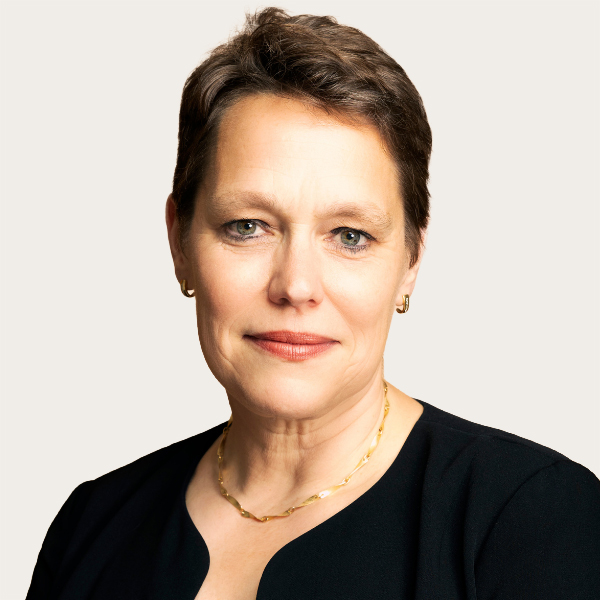
Bettina Cenerelli
President and CEO of the Pierre Elliott Trudeau Foundation
President and CEO since May 2024, Dr. Bettina B. Cenerelli’s mandate is to lead the Pierre Elliott Trudeau Foundation.
She completed her studies in Germany (FU Berlin; Universität Siegen) and France (Université de Pau; École normale supérieure, Paris; Sorbonne, Paris). Dr. Cenerelli holds a doctorate in French Literature from the Universität Siegen and a First State Examination (1. Staatsexamen) in French and History from the FU Berlin.
Prior to her current mandate, Dr. Cenerelli was the Senior Director of Strategic Academic Planning and Student Affairs in the Faculty of Arts and Social Sciences at Simon Fraser University (SFU), British Columbia.
From 2011 to 2015, she served as Associate Director at the Office of Francophone and Francophile Affairs at SFU, overseeing the French Cohort Program. Before her tenure at SFU, Dr. Cenerelli was Program Director at the Pierre Elliott Trudeau Foundation in Montréal, QC, editor at the University of Montréal Press, and Assistant Professor at Mount Allison University in New Brunswick.
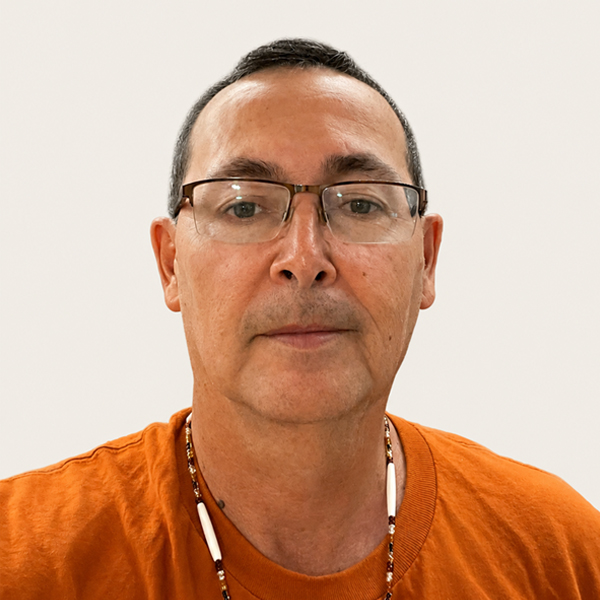
DENNIS CHARTRANT
Cultural Facilitator, Ojibwe Language Speaker and Community Educator
Dennis Chartrand is an Ojibway language speaker, media producer, and community educator from Duck Bay, Manitoba, and a proud member of Pine Creek First Nation. Deeply rooted in his culture and language, Dennis is widely recognized for his tireless efforts to revitalize and preserve the Ojibwe language, which he sees as a living connection to his ancestors.
His work is guided by the belief that language is not only a tool of communication but also a sacred vessel of memory, love, and identity. Dennis helped translate A New Hope into Ojibwe and voiced Darth Vader.
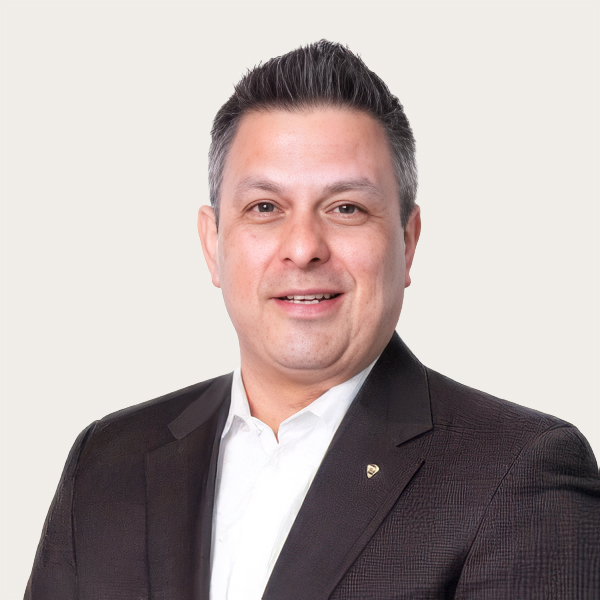
Peter Dinsdale
President and CEO of YMCA CANADA
Peter Dinsdale is the President and CEO of YMCA Canada, where he leads one of the country’s largest and most trusted national charities, serving millions of people annually across health, employment, child care, community well-being, and newcomer integration. An Indigenous leader with experience operating at the highest levels of Indigenous governance, public policy, and institutional leadership, he has built a career at the intersection of reconciliation, nation-building, and complex organizational stewardship.
Peter currently serves on multiple national and corporate boards spanning insurance, standards, sport, reconciliation, and Indigenous economic development. His governance work focuses on strategy, risk, capital stewardship, and long-term institutional credibility. Throughout his career, he has frequently been the first or only Indigenous person in senior executive and boardroom settings, bringing both perspective and responsibility to systems not originally designed for Indigenous participation.
A committed mentor, Peter has supported emerging leaders in every role he has held, with particular emphasis on helping Indigenous and equity-deserving professionals navigate power, governance, and influence while remaining grounded in their values and communities. His leadership is shaped by a belief that reconciliation is not symbolic work, but structural work, and that strong institutions matter deeply to the future of Canada.
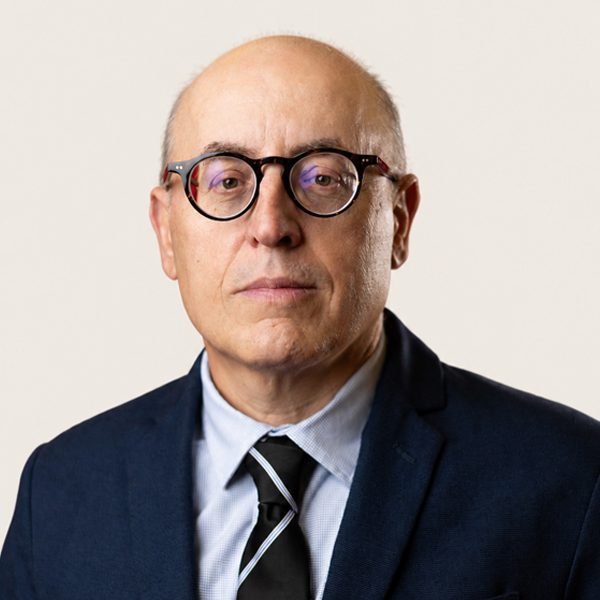
JINO DISTASIO
Interim President and Vice Chancellor and Professor, Department of Geography, University of Winnipeg
Dr. Jino Distasio was appointed Interim President of The University of Winnipeg by the Board of Regents in 2025. A long standing member of the university community, he has served at UWinnipeg since 1999 in a wide range of academic and leadership roles, including Instructor, Associate Professor, Professor, Director, Associate Vice-President, Vice-President, Acting Provost and Vice-President Academic, and Acting Dean of Science and Kinesiology.
A professor in the Department of Geography, Dr. Distasio holds a BA from The University of Winnipeg and both a Master’s degree and PhD from the University of Manitoba, with all his studies focused on urban geography and policy.
An active community volunteer, he has served on numerous boards, including Habitat for Humanity and Westminster Housing Society, often in leadership positions. A recipient of the 2025 King Charles III Coronation Medal and the 2018 Clarence Atchison Award for Community Service, Dr. Distasio is also a respected commentator on urban issues.
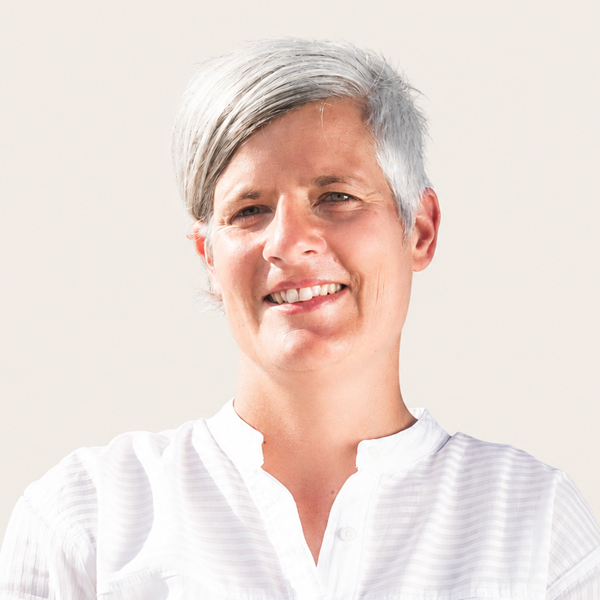
Lisa Helps
Executive Lead, Project Acceleration at BC Housing, former Mayor of Victoria
Lisa Helps was a 2006 Trudeau Scholar. She was co-president of the Alumni Committee and also served on the Foundation Board of Directors from March 2020 to November 2021.
Lisa is currently working as Executive Lead, Project Acceleration at BC Housing. Prior to this, as Executive Lead BC Builds Project Origination, she co-led the development and implementation of BC Builds, a housing funding, financing and acceleration program that uses public land, low-cost financing, and other innovative tools to get more housing built more quickly for working people in B.C. Previously she was the Housing Solutions Advisor to British Columbia Premier Eby. Prior to that she was a two-term Mayor of Victoria, British Columbia. As Mayor, Lisa worked hard to create deep collaboration across the community to get Victoria ready for the future. She also built strong connections across the province as founding Co-Chair of the BC Urban Mayors Caucus to advance shared priorities for cities. Areas of focus included economic development and prosperity, housing, climate action, resilient infrastructure, and reconciliation.
Lisa is also a Canadian Urban Leader the University of Toronto School of Cities and teaches Leading Urban Change at the University of Toronto. She is vice-chair of the Board of Directors of the Canadian Urban Institute. She is also chair of the board of the Fernwood Community and Arts Association which runs the Little Fernwood Building, a neighbourhood-scale arts, culture and performance venue and community gathering space.
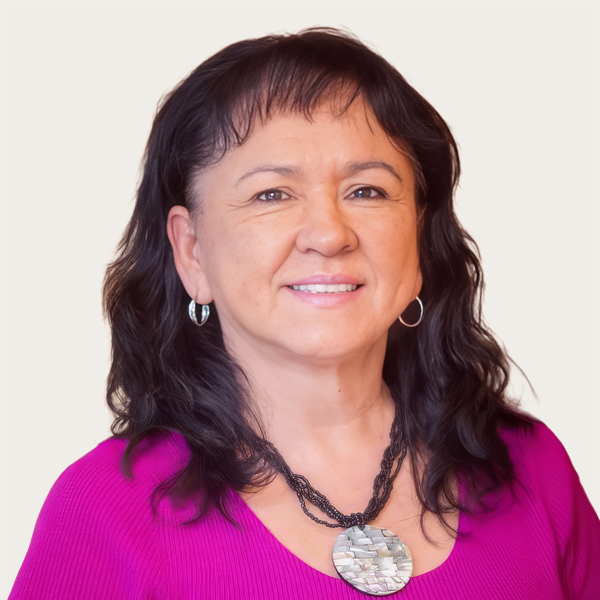
Fran Hunt-Jinnouchi
Executive Director of the Aboriginal Coalition to End Homelessness
Fran Hunt-Jinnouchi, a member of the Kwakiutl and Quatsino First Nations on Vancouver Island, is CEO of the Aboriginal Coalition to End Homelessness Society (ACEH), where she has grown the organization from 1.5 staff in 2016 to more than 110 in 2026.
She developed the Dual Model of Housing Care (DMHC), combining Housing First principles with culturally supportive housing, decolonized harm reduction, and land-based healing, while leading the creation of innovative housing and support programs across Vancouver Island.
A former elected Chief, School Trustee, entrepreneur, and inaugural Director of Indigenous Affairs at the University of Victoria, she has received numerous honours, including the City of Victoria’s Honorary Citizens Award and an Honorary Officer Award from the Order of the Diocese of British Columbia, and will receive an Honorary Doctor of Laws from UVic in 2026.
Fran Hunt-Jinnouchi holds a Bachelor of Social Work (with distinction), a Master of Adult Education, and has completed PhD coursework in Educational Psychology and Leadership.
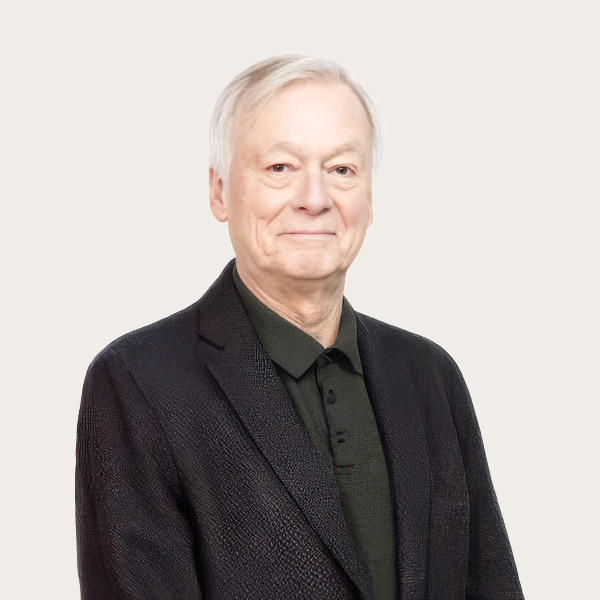
André Juneau
2025 Mentor
Contrasts and continuity make up André Juneau’s professional and personal lives. In the Government of Canada, where he began working in 1975, he divided his time over 30 years between two “central agencies” responsible for managing priorities, the Department of Finance and–three times–the Privy Council Office, and three socially driven sector departments (employment, immigration, and health), responsible for advancing their priorities. Finally, he was the first Infrastructure and Communities Deputy Minister.
Having left Ottawa in 2006, André held three entirely different positions: in London, as representative of Canada and Morocco on the resident Board of Directors at the European Bank for Reconstruction and Development (EBRD), in Kingston as the Director of the Institute of Intergovernmental Relations at Queen’s University, and in Windsor as Interim President and CEO of the Windsor-Detroit Bridge Authority, a federal crown corporation.
The continuity stems from his specialties: federal-provincial-municipal relations, national unity, social policy, decision-making, and policy development. His career was highly focused on domestic issues with a significant international component: it included work on immigration and refugee files, membership on the World Health Organization’s Executive Board, the EBRD, and overseeing aspects of an international bridge initiative.
A final professional contrast: André is a practitioner of politics and administration, but he was very much involved in research in his first job in 1974, as a research assistant at Washington’s Brookings Institution, as head of several research teams, and as an active participant in the federal initiative for research in politics.
Since 2021, he has been a member of the University of Ottawa’s Board of Governors.
He is particularly proud of several generally team-based accomplishments: at the Office of the Privy Council, his support of the enactment of the Canada Health Act in 1984, including the production of all briefing notes for Prime Minister Pierre Trudeau, the development of an immigrant integration policy, new tobacco control legislation that greatly contributed to lowering tobacco consumption, the founding of Infrastructure Canada, and his leadership on the EBRD Board during the 2007-08 financial crisis.
On the personal side: Since his return from Washington in 1975, André has lived in Ottawa. His family life takes place mostly in English, because he speaks English with his spouse, who is also a former senior federal official. He has always spoken English and French fluently, the latter being his first language. Additionally, he still considers himself a Montrealer, having grown up in that city, where his large family still lives. He is very Canadian, and he has friends and contacts all over the place. He and his spouse have four children and six grandchildren, who live in London, Gatineau, Montreal, and Quebec City.
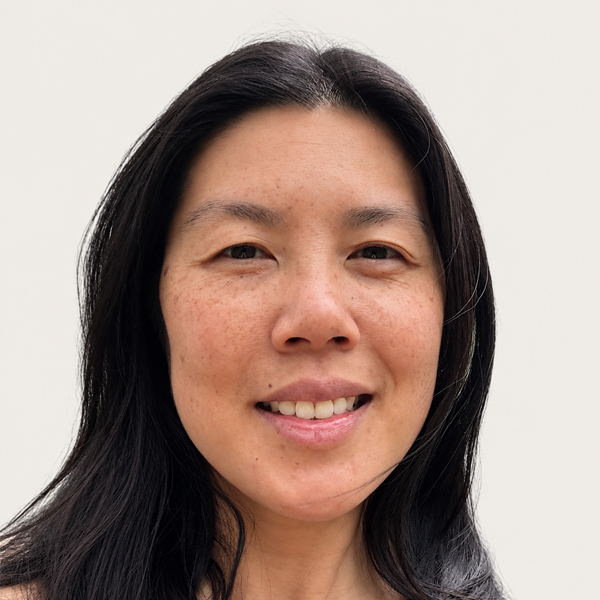
BELINDA Li
Co-Founder of Food Systems Lab
Belinda Li, P.Eng., is a PhD Candidate in the School of Resource and Environmental Management at Simon Fraser University and Co-Founder of the Food Systems Lab. Building on her experience in engineering, sustainable development, research, and grassroots organizing, she uses community-engaged approaches to mobilize just transitions in food systems.
Her current research focus is on the community composting movement. She is working with community composters to articulate challenges that they face, advocate for more supportive policies, and increase their public presence.

Sheryl Lightfoot
Professor, Department of Political Science, University of Toronto
Sheryl Lightfoot (Anishinaabe, Lake Superior Band of Ojibwe, Keweenaw Bay) is a globally recognized scholar of Indigenous rights, global politics, and public policy. She is Professor in the Department of Political Science and the Munk School of Global Affairs and Public Policy at the University of Toronto.
Dr. Lightfoot currently serves as Vice Chair, North American Member, and past Chair of the United Nations Expert Mechanism on the Rights of Indigenous Peoples. She is the first Indigenous woman from Canada to hold this position.
Her research focuses on Indigenous-state relations, the implementation of Indigenous rights frameworks, and the ways Indigenous self-determination is reshaping global politics. She is the author of Global Indigenous Politics: A Subtle Revolution (2016), and in 2024 she co-edited Indigenous Peoples and Borders (Duke University Press) and The Handbook of Indigenous Public Polic (Edward Elgar). Her scholarship has appeared widely in leading journals and edited volumes and is noted for bridging theoretical insights with policy relevance.
Previously, Dr. Lightfoot held a Canada Research Chair in Global Indigenous Rights and Politics at the University of British Columbia, where she also served as Senior Advisor to the President on Indigenous Affairs and led the creation of UBC’s Indigenous Strategic Plan. She is a member of the Royal Society of Canada’s College of New Scholars and has received numerous awards and major research grants.

JACK MINTZ
President’s Fellow, School of Public Policy, University of Calgary
Dr. Jack M. Mintz is the President’s Fellow at the University of Calgary’s School of Public Policy and a leading expert in tax, economic, and public policy.
He has held senior academic and leadership roles at the University of Calgary, the University of Toronto, Queen’s University, and the C.D. Howe Institute, and is affiliated with several major policy institutions in Canada and abroad.
He has chaired and served on numerous federal and provincial advisory panels, including on business taxation, healthcare innovation, economic recovery, and post-secondary financing, and has advised governments, businesses, and international organizations such as the World Bank, IMF, OECD, and Inter-American Development Bank.
A regular Financial Post contributor and former corporate director, Dr. Mintz is a Member of the Order of Canada and has received several honours recognizing his contributions to Canadian tax and economic policy.

erin mooney
International Expert in Humanitarian Affairs and Forced Migration
Erin Mooney is an internationally recognised senior expert adviser, advocate, and researcher on forced migration, human rights, protection of civilians, humanitarian affairs, and peacebuilding, with over 30 years of UN and other international professional experience, both at UN Headquarters and in more than 30 conflict and disaster contexts in Africa, the Middle East, Europe (Ukraine, South Caucasus, Western Balkans), Asia and the Americas.
Her extensive work experience with the United Nations since 1995 includes serving as Chief of Civil Affairs for the UN peacekeeping mission in the Democratic Republic of the Congo (2024-2025), Senior Protection Adviser with the UN’s Protection Capacity (2006-2023), a Senior Adviser to successive UN Representatives of the Secretary-General on Internally Displaced Persons (1996-2006), and with a wide range of UN offices including the UN High Commissioner for Refugees (UNHCR), Office of the UN High Commissioner for Human Rights (OHCHR), Office for the Coordination of Humanitarian Affairs (OCHA), UN Development Programme (UNDP), UNICEF, the Office of the UN Secretary-General’s Special Representative on Children and Armed Conflict, International Organization for Migration (IOM), the UN peacekeeping mission for Darfur (UNAMID) and as a senior expert to the UN-African Union peace process for Darfur, Sudan.
She also has served as a consultant on human rights and humanitarian issues to several Governments (e.g., Switzerland, US, Canada), regional organizations (e.g., Council of Europe, African Union), international NGOs, universities and thinktanks, including serving as Deputy Director of the Brookings Institution Project on Internal Displacement (2001-2006), Deputy Director of the Centre for Displacement Studies at Johns Hopkins University’s School of Advanced International Studies (2002-2004), and Deputy Team Leader of the first-ever UN Independent Review on the Global Humanitarian Response to Internal Displacement, undertaken by the U.K.’s Overseas Development Institute (2023-2024), at the request of the UN Secretary-General.
From 2008-2010, she was Professor (Adjunct) of International Relations at the University of Toronto. Since 2024, she is a Senior Fellow of the Bill Graham Centre for Contemporary International History and a non-stipendiary Professor of International Practice at the Institute for the Study of International Development at McGill University.
Her more than 100 publications on human rights, humanitarian and peacekeeping issues include both academic publications and numerous official guidance published by the United Nations and regional organizations on a range of specific crises and on thematic issues including: internally displaced persons (IDPs), refugees, durable solutions to displacement, protection of civilians, children and armed conflict, education in emergencies, electoral rights, gender mainstreaming, and genocide prevention.

Jennifer Moore Rattray
CEO, End Homelessness Winnipeg
Jennifer Moore Rattray is a public sector leader and changemaker dedicated to advancing equity, reconciliation, and transformative social impact. She is the CEO of End Homelessness Winnipeg.
Throughout her career, Jennifer has driven transformative change across sectors – from government and education to national Indigenous initiatives. She served as Executive Director of the National Inquiry into Missing and Murdered Indigenous Women and Girls and was appointed Ministerial Special Representative to the Minister of Crown-Indigenous Relations, where she led national engagement on Call for Justice 1.7 to advance the creation of a National Indigenous and Human Rights Ombudsperson.
Previously, as an Assistant Deputy Minister with the Province of Manitoba, Jennifer challenged entrenched systems and policies to reduce inequity and improve outcomes for marginalized people. At the University of Winnipeg, she broke new ground as Associate Vice-President, where she championed access to post-secondary education for low-income and under-represented students for more than a decade.
Jennifer began her career as an award-winning journalist, working in Canada and the United States to hold governments and public institutions to account – a foundation that continues to inform her values-based leadership.
She holds a BA and MPA (with distinction) and is a graduate of the ICD.D Program and the Executive Leadership Program at the Rotman School of Management.
In 2025, Jennifer was honoured to be named a Pierre Elliott Trudeau Foundation Mentor. She serves on the boards of CBC/Radio-Canada, The Gordon Foundation and Canada’s National History Society, as well as on the RCMP’s Joint Action Circle and the Advisory Circle for the Federal Ombudsperson for Victims of Crime. She is a proud citizen of Peepeekisis Cree Nation.
She is a recipient of the Queen Elizabeth II Diamond and Platinum Jubilee Medals in recognition of her contributions to public service.

David Morley
Former President and CEO of UNICEF CANADA
David Morley, CM, is the former President and CEO of UNICEF Canada, a leading humanitarian organization dedicated to helping children around the world survive, thrive and reach their full potential.
A prolific international speaker, commentator, human rights advocate and mobilizer, David has more than thirty years of experience advancing children’s rights and sustainable development on the world stage. David is a passionate voice for the world’s most vulnerable citizens, and has dedicated his career to improving the lives of children and communities in Canada and around the world.
An internationally recognized expert on humanitarian response, sustainable development and child well-being, David also sits on UNICEF’s Global Management Team, lending his expertise to the organization’s worldwide efforts to achieve meaningful progress for children.
Prior to joining UNICEF Canada, David served as Executive Director of Médecins Sans Frontières/Doctors without Borders Canada, as President and CEO of Save the Children Canada and was the founding Executive Director of the Institute for Canadian Citizenship.
A recognized leader in the field, David has taught at the Munk School of Global Affairs and Public Policy at the University of Toronto, sits on the Advisory Council of the Institute for the Study of International Development at McGill University and is Co-Chair of the Stephen Lewis Foundation.
An award-winning author of two best-selling books, including Healing Our World: Inside Doctors without Borders, David’s career has taken him around the world. In recognition of his dedication to global sustainable development, David has been appointed to the Order of Canada. As Canada’s highest civilian honour, the Order of Canada recognizes outstanding achievement, dedication to the community and service to the nation. David has been invested into the Order “for his leadership in international development and for his humanitarian commitment to improving the lives of children and families around the world.”

Mabel Nahanee
Youth Facilitator and Member of the Squamish Nation Language and Culture Department
Ha7lh skwayel ta nuyap tesaxlewet kwi kweshamin Mabel kwi en sna. Tesaxlewet is my ancestral name, Mabel Nahanee is my name. I am 20 years old.
Many people helped me pursue things in life. My mom Lena-May, she is my absolute best friend. My papa Shucks, my late gramma Tsaxaxult-t, and many aunts and uncles. To list a few important things that helped me in is having an understanding with the land, and water. Understanding we need to help and nourish the land so that the land can help and nourish ourselves. That there are many ways the land and water can heal us.
Something I’m most proud of is the culture that thrives in my family, growing up with the culture is such a huge blessing. Such a huge blessing to understand so much at a young age, and being able to teach the culture is a high honour.
I enjoy painting Coast Salish art work, hiking in the mountains, cooking, and exercising. I am thankful to live this way of life and I’m proud to be Skwxwu7mesh. I am a 2022 Preparing Our Home graduate and youth facilitator. I work for Squamish Nation language and Culture Department. I am the Sr Woman’s Warrior for the Squamish veterans powwow 2024-2026. I am the youth representative on the Board of Squamish Ocean Canoe Family.
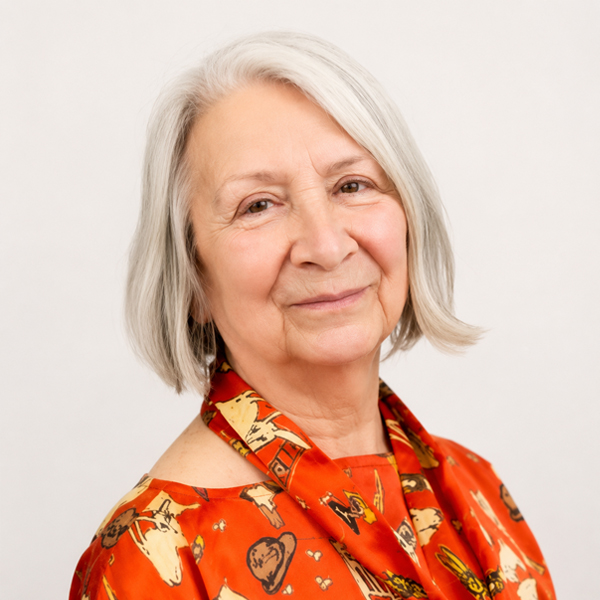
val napoleon
Professor of Indigenous Law and Founder of the Indigenous Law Research Unit
Val Napoleon is Cree from Saulteau First Nation, and she is adopted into Gitanyow [Gitxsan]. She is the co-founder of Juris Doctor and Juris Indigenarum Doctor (dual law degree program in Indigenous and Canadian law), and the founding director of the Indigenous Law Research Unit.
She is the academic lead for the major national Next Steps Rebuilding Indigenous legal orders initiative. Napoleon researches and publishes on Indigenous legal traditions and methodologies (e.g., lands, waters, governance, gendered violence, human rights, pedagogies, and families), Indigenous legal theories, intersocietal legalities, Indigenous feminisms, legal pluralism, Indigenous democracies and civil societies, and Indigenous intellectual property.
She is a professor and former acting dean (law), and she teaches Canadian and Gitxsan property.
Her books include
With Debra McKenzie, eds., Intersocietal Pedagogies (UofT, forthcoming 2026).
- Val Napoleon, Emily Snyder, Rebecca Johnson, and Debra McKenzie, eds. Raven Talks: Indigenous Feminist Studies (UofT, 2025).
- With Rebecca Johnson, Richard Overstall, and Debra McKenzie, Indigenous Intellectual Property: An Interrupted Intergenerational Conversation (UofT, 2024).
- With Angela Cameron and Sari Graben, eds., Creating Indigenous Property [UofT, 2020].
- With Cathy Bell, eds., First Nations Cultural Heritage and Law: Case Studies, Voices and Perspectives (UBC, 2008).
Selected awards include:
- 2025 King Charles III Coronation Medal (June 2025)
- 2024 Royal Society of Canada Yvan Allair Medal
- 2024 Honorary Doctorate in Law, University of Queens
- 2021 Honorary Doctorate in Law, UNBC
- 2021 Indspire Award (National) for Law and Justice
- 2016 Indigenous Peoples’ Council Award
- 2010 University of Victoria’s Governor General’s Gold Medal for Outstanding Dissertation

devin naveau
Elected Councillor of Mattagami First Nation and Chief Financial Officer of Mattagami Aki
Devin Naveau is an Anishinaabe leader from Mattagami First Nation who has served as an elected Councillor since 2019. Beginning his leadership journey at a young age, Devin now holds the portfolio on economic development, community infrastructure and sustainability, where he guides projects that balance economic growth, cultural integrity, and long-term stewardship of community lands and resources.
Devin also serves as the Chief Financial Officer of Mattagami Aki, the Nation’s economic development corporation. In this role, he advances strategic partnerships and investments across various sectors, including construction, mining, and food sovereignty, ensuring that growth is directly tied to community benefit and generational wealth. His work is deeply rooted in Anishinaabe governance, incorporating cultural values into modern governance and business practices.
Beyond his role in economic development, Devin is committed to community service and safety as an active member of the Mattagami First Nation Fire Department, which supports both his community and the surrounding region.
At the core of all his work, Devin strives to uplift community and build bridges between Indigenous Nations, governments, and industry partners, creating prosperity that honours tradition while embracing innovation. Devin is a 2019 Preparing Our Home graduate and Preparing Our Home Board Member.
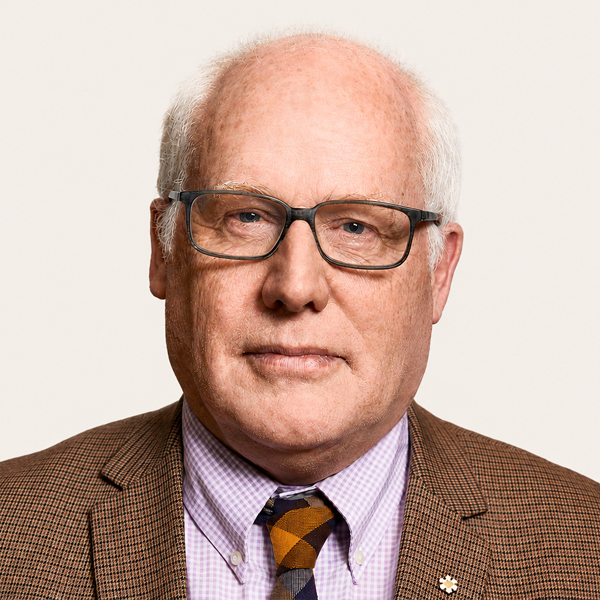
ALEX NEVE
former Secretary General, Amnesty International Canada
Honoured to live, work and advocate for human rights from the unceded territory of the Algonquin Anishnaabeg people.
Visiting and Adjunct Professor, Faculties of Law and Social Sciences, University of Ottawa and Dalhousie University.
Senior Fellow, Graduate School of Public and International Affairs, University of Ottawa.
Expert Member, United Nations Human Rights Council’s Independent International Fact-Finding Mission on Venezuela.
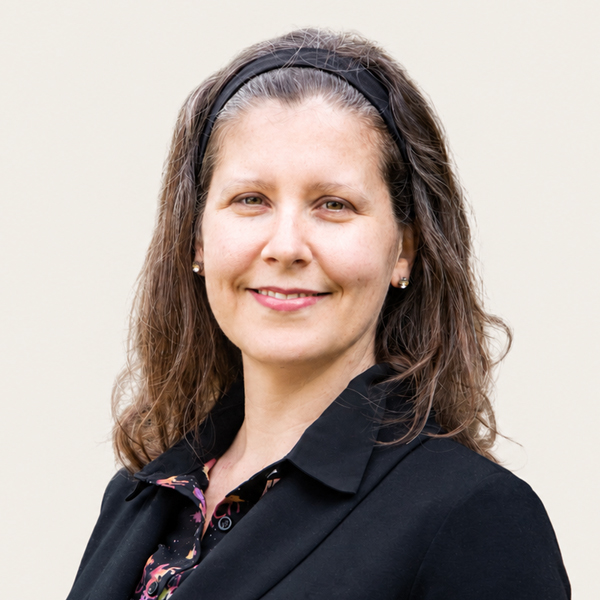
Kate Parizeau
Professor, Department of Geography, University of Guelph
Dr. Kate Parizeau is a professor in the Department of Geography at the University of Guelph, where she researches waste management policies and practices, both in Canada and internationally.
For Dr. Parizeau, the study of waste is a means to interrogate the ways that societies prioritize various environmental and social concerns; this topic also serves as a source of insight to the politicization and governance of everyday life.
Themes that Kate addresses in her research include urban inequality, environmental justice, political redefinitions of public spaces, and dimensions of social difference.

Tony Penikett
former Premier of the Yukon
Tony Penikett has spent 25 years in public
life, including two years at the House of Commons as chief of staff to federal
New Democratic Party Leader Ed Broadbent, five terms in the Yukon Legislative
Assembly, and two terms as premier of Canada’s Yukon Territory. His government
negotiated settlements of Yukon First Nation land claims and passed pioneering
legislation in education, health, language. It also organized Yukon 2000, a
unique, bottom-up economic planning process.
Between 1997 and 2001, Penikett served
first as deputy minister of negotiations and later as deputy minister of labour
for the British Colombia government. In 2006, Douglas & McIntyre published
his book Reconciliation: First Nations Treaty Making. Penikett is also the
author of two films: The Mad Trapper for BBC TV/Time Life Films and La
Patrouille Perdue, for ORTF France.
As a mediator and negotiator, Penikett has worked on devolution in the Northwest Territories, Nunavut, and Yukon. He has lectured on the history of aboriginal treaty negotiations at Simon Fraser University, Queen’s University, and the University of Washington. In 2013, Penikett became Fulbright Visiting Research Chair in Arctic Studies at the Henry M. Jackson School of International Studies at the University of Washington. In September 2014, Simon Fraser University’s Public Policy School appointed him visiting professor.
Penikett serves as a mentor for the Walter & Duncan Gordon Foundation’s Glassco Fellows. The Pierre Elliott Trudeau Foundation appointed him a Trudeau mentor in 2016.
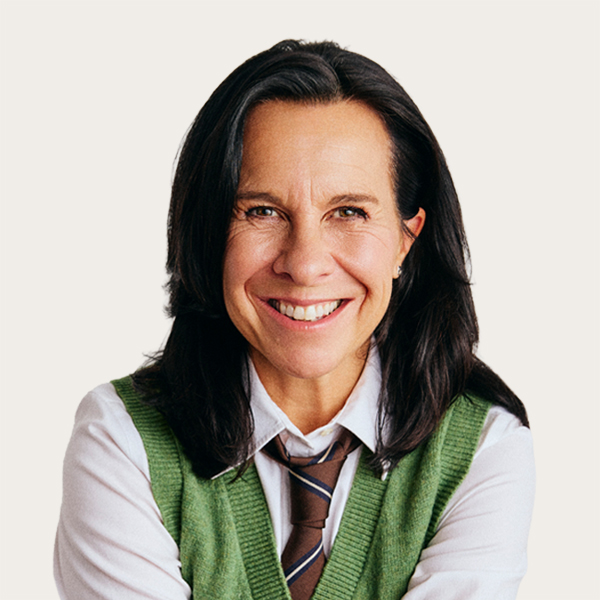
Valérie Plante
Former Mayor of Montréal
Valérie Plante spent many years working in grassroots circles before making the leap into the political arena in 2013. Her strength: rallying people through her passion and progressive vision. The public elected her to a first term as mayor of Montréal in 2017 and renewed their trust in her in 2021.
Deeply committed to participatory democracy, Montréal’s very first woman mayor has a bold vision for the metropolis, with a particular interest in the environment, housing and urban planning.
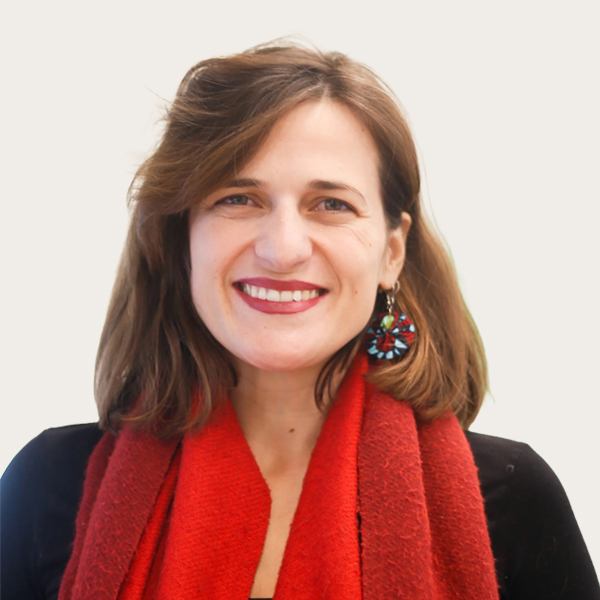
Elisa Privitera
Researcher at CERC NEST, University of Toronto Scarborough
Elisa Privitera is a transdisciplinary researcher, educator, and practitioner working at the intersection of community-based urban planning, environmental justice, and environmental humanities. She is a postdoctoral researcher with the Canada Excellence Research Chair Network for Equity in Sustainability Transitions project at the University of Toronto Scarborough, where she investigates how community-centred social innovations address climate challenges.
Elisa has played a leading role in several international justice-driven, community-based research initiatives. Her PhD dissertation (University of Catania, Italy) explores the role of embodied knowledge and small data in researching industrial risk landscapes. She has published scholarly work and received several grants, including a Fulbright Scholarship.
Her community engagement work has been internationally recognized with the Courageous Scientists Award for Environmental and Climate Justice. She is an associate editor of Critical Sociology and plaNext – Next Generation Planning, and a member of the editorial collective of Resistance: A Journal of Radical Environmental Humanities.
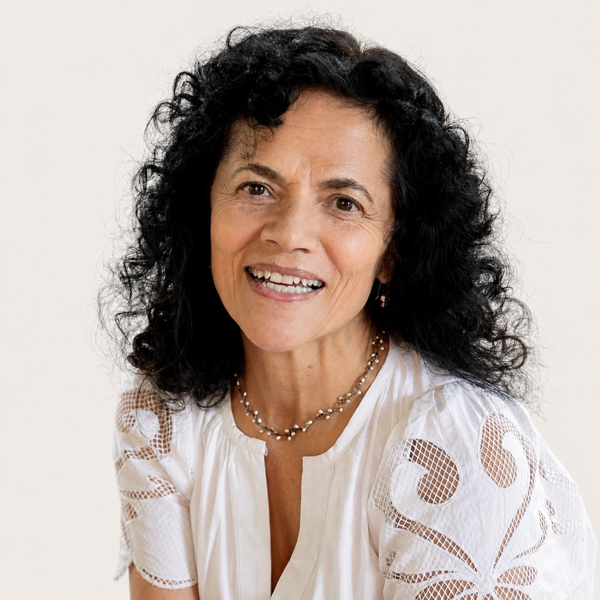
Paty Romero-Lankao
Canadian Excellence in Research Chair’s Network for Equity in Sustainability Transitions
Paty Romero-Lankao is a Canadian Excellence in Research Chair of the Network for Equity in Sustainability Transitions (CERC NEST).
She is a Professor at the University of Toronto and was a distinguished research scientist at the U.S. National Renewable Energy Laboratory.
Paty has extensive experience as a sociologist working across disciplines and at the science-policy interface in Canada, Mexico, the U.S., and internationally.
She has examined how people and decision-makers can embrace and why they fail to adopt climate and energy solutions and how these shape inequities in sustainability and resilience. She is committed to reimagining how city populations, community organizations, and governments can approach climate change through equitable, inclusive, and robust approaches to research.
Paty is widely cited in her field. She was the co-leading author of Working Group II of the 2007 Nobel Prize-winning IPCC Fourth Assessment Report.
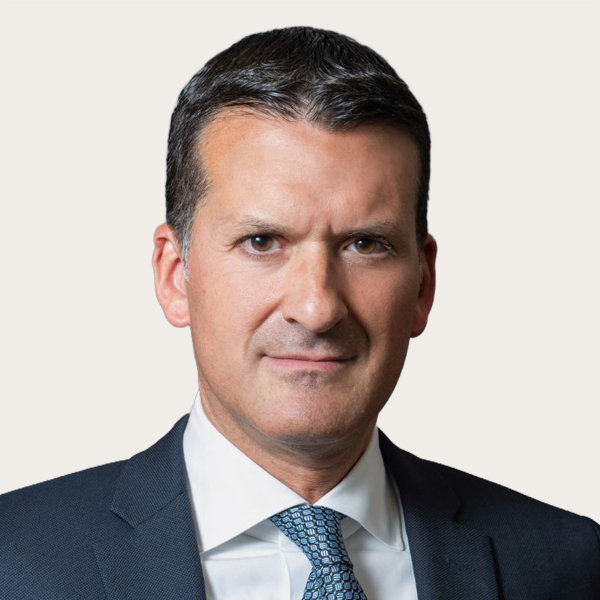
Peter Sahlas
Chair of the Board of Directors
Peter Sahlas is an Attorney and Counsellor at Law in the State of New York, and a Foreign Legal Consultant of the Quebec Bar. He specializes in the resolution of complex international disputes involving public authorities in emerging markets. He builds and manages litigation teams and supervises their work in jurisdictions across Europe and North America, and handles government relations and public advocacy on behalf of his clients. He also designs and implements international advisory projects on law reform in countries experiencing major political transition and marked by ongoing political risk and economic instability.
For over a decade, he served the Office of the President of the Russian Federation as an adviser and coordinator of international involvement in Russian legislative reform. He has a substantial pro bono practice in human rights law and frequently engages with academic experts in his fields of expertise.
He holds a degree in international relations from the University of Toronto and two degrees in law from McGill University. In 1989 he received the Terry Fox Humanitarian Award, a national award granted in Canada in recognition of ideals and qualities of citizenship and humanitarianism.
From 2002 to 2005 he was the inaugural Executive Programme Director of the Pierre Elliott Trudeau Foundation. He has been a Regular Member since November 2008. On 27 February 2017, he became a director of the Foundation elected by the members representing the Estate of the Late Right Honourable Pierre Elliott Trudeau.
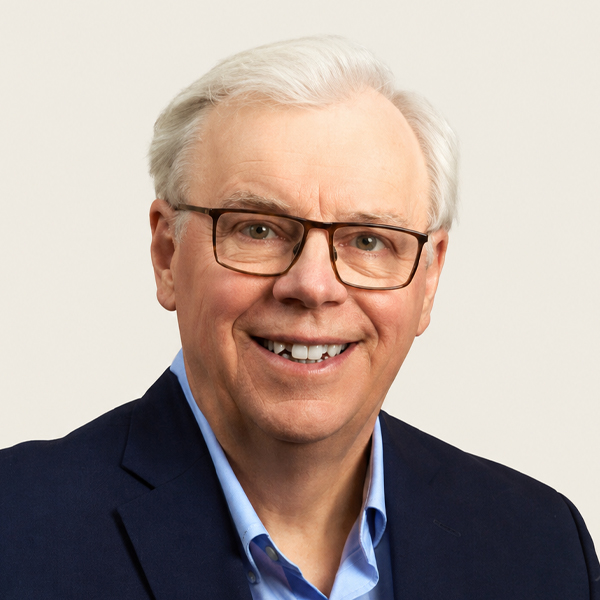
GREG SELINGER
Former PREMIER of Manitoba
Greg Selinger started his career as a community development worker in the inner city and north end of Winnipeg founding two enduring organizations: one that addresses financial exclusion and the other that undertakes community education and development.
He then became an associate professor in the inner city social work program at the University of Manitoba. He holds a Bachelor of Social Work from the University of Manitoba, A Master of Public Administration from Queen’s University, and a PhD in Social Policy and Administration from the London School of Economics and Political Science. He also was a co-organizer of a progressive civic coalition and was elected to Winnipeg City Council where he chaired the Finance Committee.
From 2019 to 2016 he served Premier of Manitoba. This was the era of the Great Recession, a major flood and reduced federal transfer payments.
His government met these challenges with a “Steady Growth, Good Jobs” Strategy. It focused on new revenues, shared with municipalities, for infrastructure investments, improved education outcomes, including skill trades, and innovative front line heath care (Quick Care Clinics).
As well the government legislated that each budget provide a poverty reduction plan with higher minimum wages, non-market affordable housing, including coops, and a rent assist program. His government also increased early childhood education programs, tax exemptions for small businesses and seniors, and enhanced protection for human and minority rights including legislation for a Path to Reconciliation and for the Support and Enhancement of the Francophonie.
Greg Selinger’s electoral experience has taught him the necessity of strengthening our democratic institutions. It starts with an independent boundaries commission headed by Manitoba’s Chief Justice. Also in continuously improving the role of an independent elections commission to deal with not only facilitating citizens’ right to vote but also in the accuracy of the information citizens’ are exposed to. Manitoba was also the first province to legislation the banning of corporate and union donations for all levels of government.

Christina Sharpe
Professor and Tier 1 Canada Research Chair in Black Studies
Christina Sharpe is a writer, Professor, and Tier 1 Canada Research Chair in Black Studies in the Humanities at York University in Toronto.
Her writing has appeared in many artist catalogues and journals including Small Axe, Frieze, Paris Review, Harpers, BOMB Magazine, and The Funambulist.
In 2024 she was awarded the Canada Council for the Arts Molson Prize for the Sciences and Humanities, a Windham-Campbell Prize in Nonfiction, and a Guggenheim Fellowship. In 2025 she received the Killam Prize.
She is also a Research Associate, at the Johannesburg Institute for Advanced Study (JIAS), University of Johannesburg. Sharpe is the author of Monstrous Intimacies: Making Post-Slavery Subjects (2010), In the Wake: On Blackness and Being (2016), and Ordinary Notes (2023)—winner of the Hilary Weston Writer’s Trust Prize in Nonfiction and the Hodler Prize and a Finalist for the National Book Award and National Book Critics Circle Award in Nonfiction.
Ordinary Notes was also named a Best Book of the Year by: The New York Times, The Atlantic, The New Yorker, The Globe and Mail, The Toronto Star, NPR, New York Magazine, and Granta, among others. Sharpe is currently working on What Could a Vessel Be? (FSG/Knopf, Canada 2027), Black. Still. Life. (Duke 2027) and To Have Been to the End of the World: Essays on Art. She is one of the editors of the forthcoming Thinking from Black: A Lexicon.
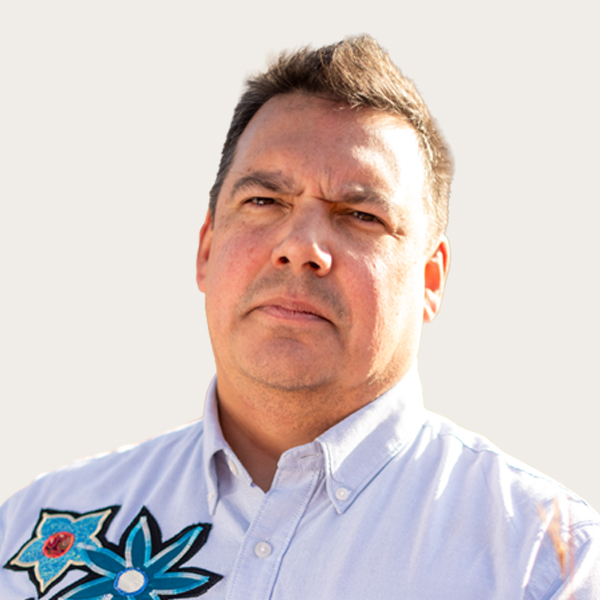
Niigaan Sinclair
Award-winning writer, editor and professor of Indigenous Studies at the University of Manitoba
Niigaan Sinclair is Anishinaabe from Peguis First Nation. He is an award-winning writer, editor and professor of Indigenous Studies at the University of Manitoba who was named by Maclean’s magazine in 2022 as one of the most influential people in Canada.
Niigaan is a multiple winner of Canadian columnist of the year (2018, 2025) and his commentary appears weekly on multiple platforms across Canada – from the pages of The Winnipeg Free Press to TV shows on CBC, APTN and on his co-hosted podcast Niigaan and the Lone Ranger.
His first book Wînipêk: Visions of Canada from an Indigenous Centre (McClelland & Stewart, 2024) was a national bestseller that won the 2024 Governor General Award for Non-fiction.

Tammara Soma
RPP, MCIP, Associate Professor at the School of Resource and Environmental Management, Simon Fraser University (SFU)
Tammara Soma, MCIP, RPP, is an Associate Professor in Planning at Simon Fraser University’s School of Resource and Environmental Management, as well as Research Director of the Food Systems Lab. Her work focuses on food loss and waste, food systems planning, food security, food systems resilience, and Indigenous food sovereignty.
In recognition of her work, she received the 2026 Ehor Boyanowski Award for Distinguished Academic of the Year. Her research has been featured in local and international media, including The Guardian, BBC, CBC, TVO, and CTV. She is also co-director of the CBC documentary Food Is My Teacher.
Tammara Soma was selected to serve on a United Nations expert panel tasked with drafting a report on food systems resilience. She is a member of the College of New Scholars, Artists and Scientists of the Royal Society of Canada. She is a Registered Professional Planner with the Canadian Institute of Planners and was a 2014 Pierre Elliott Trudeau Foundation Doctoral Scholar.

Christine St-Pierre
Political analyst, Montreal Institute of International Studies
Christine St-Pierre is a political analyst and Fellow at the Montreal Institute of International Studies (IEIM-UQAM).
She left political life behind in 2022, after sitting in the National Assembly of Québec for 15 years as Member for the riding of Acadie. Over the course of that time, Christine St-Pierre held the post of Minister for Culture, Communications, and the Status of Women in addition to being responsible for the enforcement of the Charter of the French Language from 2007 to 2012, for the government led by Jean Charest. From 2014 to 2018, Premier Philippe Couillard entrusted her with responsibility for International Relations and La Francophonie besides being the Minister Responsible for the Laurentides region.
Prior to going into politics, Christine St-Pierre had a 30-year-long career as a journalist with the Société Radio Canada. Throughout that time, she primarily covered the political scene whether at municipal, provincial, federal, and international levels. Consequently, she was a correspondent in Quebec City, Ottawa, and Washington. Ms. St-Pierre had the opportunity to cover a number of governments at various places on the political spectrum.
In 2020, éditions Septentrion published her memoirs titled “Ici Christine St- Pierre, de l’école de rang au rang de ministre.”
Christine St-Pierre graduated with a Bachelor degree in Social Sciences from the Université de Moncton in New Brunswick, where she lived from 1971 to 1976. In 2011, the university awarded her the Alumna of the Year award.

Robert VanWynsberghe
Disciplines: Social Change, Sustainability, Adult Learning
Robert is a Professor in the Faculty of Education at UBC in the Adult Learning and Education program. His research expertise is in sustainability and the related areas of social movements and capacity building, and is rooted in an abiding interest in human action and social change. Since 2016, he has applied a neo-pragmatist approach to human action on sustainability programing; creating both a Masters (3x) and Bachelor’s (7x) program in Education for Sustainability as a result. These efforts entail his working shoulder-to-shoulder with students to step outside the traditional classroom to get involved in sustainability projects within Vancouver and neighbouring communities. The second strand is a SSHRC-funded study of social innovation as a transformative intervention in cities addressing the complex challenges of climate change, equity, and decolonization. From 2003-2012 he was also the PI on a study of the impacts of the Olympic Games hosting from a sustainability perspective.
The above research marks a re-conceptualization of adult learning and community engagement relating both to classroom efforts to contribute to progressive social movements seeking sustainability, social justice and decolonization. Structurally, neo-pragmatism supplants social psychological emphases on attitudes, beliefs, and context in order to scale up behaviour change and focus on meaningful collaborations among classrooms, communities, and citizens. The original source of these seemingly innovative ideas was a PhD done in collaboration with the Walpole Island First Nation where VanWynsberghe saw first-hand the power of new thoughts and new ways of acting in the interest of environmental and social justice.
His career can be said to represent a reflection on the individual and collective action for a better society that this experience represented.
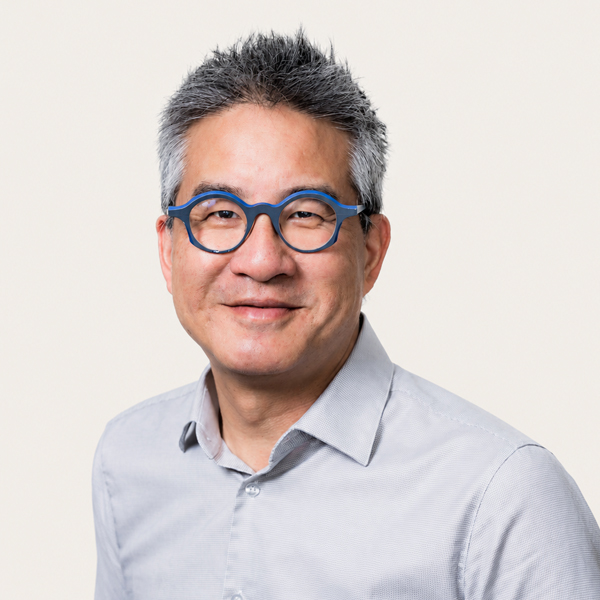
Joseph wong
Vice president, university of toronto
Professor Joseph Wong is Vice-President, International. In his previous role as the University’s first-ever Associate Vice-President and Vice-Provost, International Student Experience, Wong opened up new avenues to international learning opportunities for U of T students.
Professor Wong is currently a professor in the department of Political Science as well as in the Munk School of Global Affairs and Public Policy in the Faculty of Arts and Science. He previously held the Roz and Ralph Halbert Professorship of Innovation at the Munk School from 2013 to 2023, as well as the Canada Research Chair in Health, Democracy, and Development for two full terms, 2006 to 2016. He was the Director of the Asian Institute at the Munk School from 2005 to 2014.
Wong is the author of many academic articles and several books, including Healthy Democracies: Welfare Politics in Taiwan and South Korea (2004) and Betting on Biotech: Innovation and the Limits of Asia’s Developmental State (2011), both published by Cornell University Press. In 2022, he and Dan Slater published From Development to Democracy: the Transformations of Modern Asia, with Princeton University Press. Most recently, Wong published The Welfare State in East Asia with Cambridge University Press (2025). Wong is the co-editor, with Edward Friedman, of Political Transitions in Dominant Party Systems: Learning to Lose (2006), published by Routledge, and co-edited with Dilip Soman and Janice Stein Innovating for the Global South (2013) with the University of Toronto Press. Wong’s articles have appeared in journals such as the Lancet, the Annual Review of Political Science, Bulletin of the World Health Organization, Perspectives on Politics, Comparative Political Studies, Politics and Society, and Governance, among many others.
Wong has been a visiting scholar at Harvard, Oxford, and other institutions in the US, Asia, and the UK. He has worked with international organizations and governments in Asia, Africa, the Americas, and Europe. Wong’s current research focuses on poverty and innovation. Wong founded the Reach Alliance at the Munk School of Global Affairs. Inspired by the UN Sustainable Development Goals, Reach is a research-intensive initiative involving both faculty and students, which examines how development interventions reach the “hardest to reach” populations around the world. The Reach Alliance recently scaled globally, including partnerships with universities in South Africa, Ghana, the UK, Singapore, Australia and Mexico.
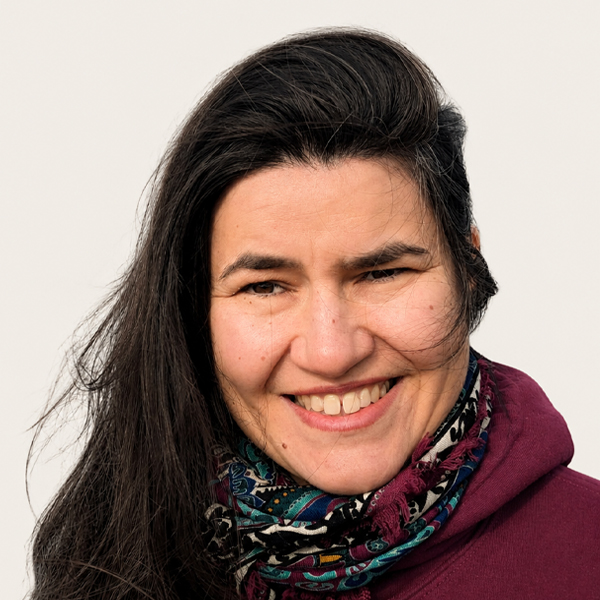
Lily Yumagulova
Program Director, Preparing Our Home
Lily Yumagulova is a Bashkir woman and an immigrant and settler in Canada. Lily’s academic and professional background includes emergency management, risk analysis, and a PhD in planning with a focus on urban equity and resilience. Lily brings over 20 years of experience in government, NGOs, media, Indigenous communities, and international organizations in Europe and North America.
She is the Program Director for the Preparing Our Home Program, which empowers Indigenous youth leadership in community resilience. Founded in 2016, it provides intergenerational training, capacity building, mentorship and community building.
Lilia’s research as a Banting Postdoctoral Fellow, Indigenous Studies, University of Saskatchewan, focused on Indigenous self-determination and the role of women in disaster risk reduction, climate displacement, and planned relocation. She is a Research Associate at the Sauder School of Business, University of British Columbia, where she leads projects on crisis management and resilience planning.
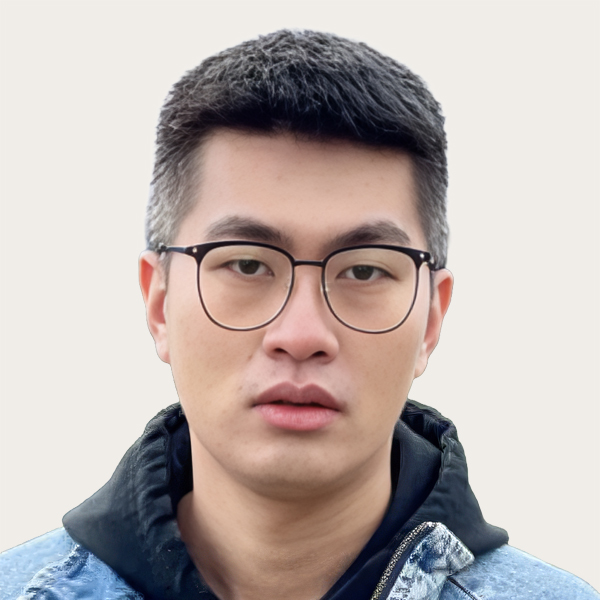
Xiang Zhang
Postdoctoral Researcher, Department of Sociology, University of Toronto Scarborough
Xiang Zhang is a Postdoctoral Fellow in the Department of Sociology at the University of Toronto Scarborough, working with Prof. Patricia Romero-Lankao on the Canadian Excellence in Research Chair (CERC) project for the Network for Equity in Sustainability Transitions (NEST).
His current research focuses on the quantitative assessment of climate vulnerability, energy dynamics, and equity in sustainable transitions through comparative analysis across multiple cities.
Before joining the University of Toronto, he earned his Ph.D. in Geography from McGill University in Montreal, Canada.
